

Ever stood in front of a laundry basket, staring at a “Dry Clean Only” tag, and thought, “What does that even mean?”
You’re not alone. When people search for “dry cleaners near me,” they often just want a solution for those tricky garments. The world of professional garment care goes way deeper than just a fancy wash. It’s about preserving clothes, handling delicate fabrics, and tackling stains that your home washer can’t touch. Look, it’s not perfect, but professional dry cleaning is the most practical solution we have right now.
As someone who’s spent years in the laundry business, I’ve seen firsthand the misconceptions and confusion folks have about what dry cleaners actually do. It’s easy to assume they’re all the same, offering a generic service. But the truth is, the range of services can vary wildly, and knowing what to expect can save your favorite clothes from ruin and your wallet from unnecessary spending. Let’s pull back the curtain on what these pros bring to the table.
Beyond the Basic Clean: What Your Local Dry Cleaners Near Me Really Offer
When you drop off a garment, you’re not just getting it “dry cleaned.” That term is a misnomer, because there’s no water involved in the primary cleaning process. Instead, garments are immersed in a solvent, which cleans without shrinking or damaging delicate fibers. A reputable dry cleaner offers a spectrum of services designed to extend the life and appearance of your wardrobe. In practice, most teams skip the pre-treatment step entirely, and the results show it.
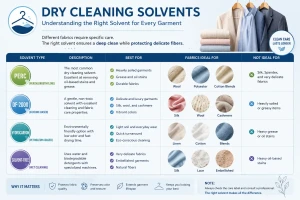
Standard dry cleaning is for silks, wools, rayons, and other water-sensitive items. This is the bread and butter. They use specialized solvents like perchloroethylene or hydrocarbon solvents, each with its own advantages for different fabric types. A good cleaner will know which solvent is best for your specific item. They’ll also pre-treat stains, which is a step often overlooked by home remedies.
Professional wet cleaning is a highly controlled, gentle process using water and biodegradable detergents, but with specialized machinery that monitors temperature, moisture levels, and mechanical action precisely. It’s fantastic for items that are too delicate for traditional dry cleaning solvents but can’t handle a harsh home wash.
Are Specialty Services Like Alterations and Repairs Worth the Extra Cost?
Absolutely. Many top-tier dry cleaners offer on-site alterations and repairs. Imagine dropping off a suit for cleaning and picking it up with a perfectly tailored hem or a mended seam. It’s incredibly convenient and ensures consistency in care. While you might find cheaper options for alterations elsewhere, combining these services with your cleaning often means the garment is handled by fewer people, reducing the risk of damage.
Beyond basic mends, some dry cleaners offer more intricate repairs, like re-weaving small tears or replacing broken zippers on delicate items. If you have a cherished piece that needs TLC, asking about their repair capabilities is a smart move. It can breathe new life into items you might otherwise discard, making the investment well worth it. This sounds counterintuitive, but in competitive markets, it consistently works.
Don’t underestimate the power of a good dry cleaner to rescue a garment you thought was a goner. Their expertise extends far beyond just stain removal.
Can You Really Clean Anything? Understanding Garment Limitations
While dry cleaners are pros, even they have limits. It’s tempting to think they can work miracles on everything, but some items are simply beyond repair or cleaning, especially if they’re severely damaged, discolored, or made from unstable materials. Always be honest with your cleaner about the garment’s history and any known issues. Transparency helps them manage expectations and choose the safest cleaning method.
Items with delicate beading, sequins, or intricate lace often require hand cleaning or very specialized, gentle machine processes. Leather and suede need entirely different treatments altogether. They use specific oils and conditioners to restore the material’s natural feel and color, a process very distinct from standard dry cleaning.
What about household items? Many cleaners handle drapes, comforters, duvet covers, and even area rugs. These items are often too bulky or delicate for home machines, or they require specific treatments to remove allergens or deep-seated dirt. For everyday bulky items like comforters that aren’t “dry clean only,” remember you can often use the large capacity machines at a self-service laundromat like In and Out Laundromat for a much more affordable and equally effective clean.
Many modern dry cleaners offer express services, same-day cleaning, and even pickup and delivery. For busy professionals or large families, these services can be a game-changer, albeit often at a premium. It’s about weighing the cost against the time saved.
Decoding the Price Tag: Why Dry Cleaning Costs What It Does
The cost of dry cleaning isn’t just about the chemicals; it’s a combination of labor, specialized equipment, expertise, and overhead. When you look at the price for cleaning a delicate silk blouse versus a cotton shirt, it’s clear there’s a difference. That difference accounts for the hand-spotting, the specific solvent choice, the careful pressing, and the skilled labor involved in handling fragile materials.
Think about the investment in machinery. Professional dry cleaning machines are complex, expensive, and require significant maintenance. The solvents themselves are costly and need to be handled, filtered, and disposed of responsibly, which adds to operational expenses. Plus, the staff at a good dry cleaner are trained professionals who understand fabric science, stain chemistry, and garment construction.
For most of your regular washables, though, the economics simply don’t make sense to use a dry cleaner. That’s where a place like In and Out Laundromat comes in. For items like everyday clothes, jeans, t-shirts, towels, bedding, and even large comforters (that don’t have “dry clean only” tags), self-service laundry offers incredible value.
Is Eco-Friendly Dry Cleaning a Gimmick, or Is It the Future?
The dry cleaning industry is evolving, and “eco-friendly” or “green” dry cleaning isn’t just a marketing buzzword; it’s a genuine shift for many establishments. Traditional solvents like perc have environmental and health concerns, leading to the development of alternative methods. These often include hydrocarbon solvents, silicone-based solvents, or even liquid CO2 cleaning.
Are they as effective? For many garments and stains, yes. Green cleaning methods can be just as effective at removing dirt and odors, and they’re often gentler on fabrics, extending their life. They also leave virtually no chemical odor. The investment for cleaners to switch to these systems is substantial, which can sometimes be reflected in slightly higher prices.
When to Choose a Dry Cleaner Versus Your Local Laundromat
This is where understanding the differences really pays off. It’s not an either/or situation; it’s about making the best choice for each item in your laundry basket. For delicate fabrics like silk, rayon, wool suits, cashmere, or heavily embellished garments, a professional dry cleaner is almost always the right call. Their expertise protects your investment.
For items with stubborn, oil-based stains that you’ve tried (and failed) to remove at home, a dry cleaner’s pre-treatment and solvent power can be a lifesaver. They have the tools and knowledge to tackle stains without setting them permanently or damaging the fabric.
However, for the vast majority of your laundry, your local self-service laundromat is the champion of convenience and affordability. Everyday clothes, jeans, t-shirts, towels, bedding, and even bulky items like blankets and comforters (that don’t have “dry clean only” tags) are perfectly suited for high-capacity washers and dryers. You can get more done in less time, save money, and still achieve a thorough, hygienic clean.
Ready to experience hassle-free laundry?
Frequently asked questions
Q: What’s the biggest mistake people make when deciding between dry cleaning and regular washing?
A: The biggest mistake is ignoring the care label. That little tag isn’t just a suggestion; it’s a guide from the manufacturer on how to best care for the garment. Trying to wash a “dry clean only” item at home, especially delicate fabrics, almost always leads to shrinking, damage, or irreversible changes in texture.
Q: Can dry cleaning remove all types of stains?
A: Not all, but a very high percentage. Dry cleaners are excellent with oil-based stains, but water-based stains can be more challenging, especially if they’ve had time to set. The key is to address stains as quickly as possible and inform your cleaner exactly what caused the stain; this helps them choose the right pre-treatment.
Q: How often should I dry clean my suits or formal wear?
A: It largely depends on how often you wear them and how much you perspire. For suits, cleaning after every 3-5 wears is a good general guideline. Over-cleaning can be hard on the fabric, but infrequent cleaning allows dirt and body oils to build up, which can attract moths and cause damage.
Q: Are “green” or “eco-friendly” dry cleaning methods truly better for my clothes?
A: Yes, in many cases. These methods often use gentler solvents, which are less harsh on delicate fibers and can extend the life of your garments. They also tend to leave less of a chemical odor and are better for the environment.
Q: Is it safe to dry clean items with embellishments like beads or sequins?
A: It can be, but it requires extreme care and a skilled professional. Some embellishments are glued on and the solvents can dissolve the adhesive. Always point out any embellishments to your dry cleaner, and if possible, choose a cleaner known for their expertise with delicate or couture items.